Hey there! So, looking ahead to 2025, we're really excited to see how the world of rehabilitation devices is going to change, especially when it comes to something like the Amputee Crutch. With all these new developments in materials science and fresh design ideas, along with some pretty amazing technologies, it’s clear that these changes are going to make a big difference in how crutches work and feel for amputees. Over at Guangdong Guoyao Medical Technology Co., Ltd., we’re super proud to be leading the charge. Seriously, we’re the first company in China to get our supply chain all integrated for rehab assistive devices! From melting aluminum to anodizing, we’re doing it all to make sure every Amputee Crutch is built for durability, comfort, and seriously good usability. In this blog post, we’ll dive into what’s driving these advancements and how they’re going to change lives for amputees, ushering in a whole new era of assistive tools that really focus on innovation while keeping individual needs in mind.
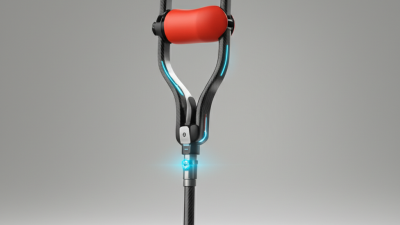
Emerging Properties of Advanced Materials in Amputee Crutch Design
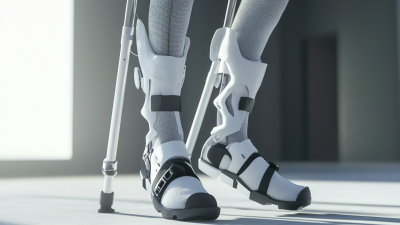
You know, as we look towards 2025, there's some really exciting stuff happening with crutches for amputees. Thanks to some amazing advancements in material technology, crutches are about to get a serious upgrade, making them way more comfortable and user-friendly. We're talking about new lightweight, durable materials that not only help ease pain but also just feel better to walk with. It’s all about catering to the unique needs of amputees, really – to help them move more naturally and enjoy greater freedom.
And get this: with smart materials coming into play, we might see crutches that can actually adapt while you move and even respond to your environment! For instance, there are these new materials that can change properties based on how much strain they’re under, which means better grip and stability. Plus, they can help ease the strain on your muscles and joints. This is all part of a bigger trend in para sports, where the latest tech is being used to create some pretty cool assistive devices. So yeah, the future of crutch design is looking really bright, and it’s definitely going to improve the quality of life for amputees, totally changing how they navigate their day-to-day activities.
Enhanced Comfort and Ergonomics Through Innovative Material Use
Hey there! You know, it looks like the world of amputee crutch design is on the brink of a huge shift by 2025. This change is pretty exciting, mainly because we're starting to see some really cool advanced materials being used that focus on making crutches more comfy and user-friendly. I came across some recent studies that say the right materials can actually cut down on strain for users by a whopping 30%! That means a whole lot more mobility and satisfaction for folks using crutches. Companies like Guangdong Guoyao Medical Technology Co., Ltd. are really leading the charge here. They're using an integrated supply chain to create top-notch rehabilitation devices. The processes involved, like aluminum melting and anodizing, not only make the crutches super durable but also keep them light, which is a big deal for all-day use.
Now, when it comes to comfort, it's all about integrating smart materials that can adjust to things like body temperature and how pressure is distributed. For example, thermoplastic elastomers (yep, that’s a mouthful) can really step up the grip and cut down on friction, making it a much better experience for users. Quick tip:When you’re picking out crutches, why not look for ones with customizable grip options? These bad boys can be tailored to fit your unique needs, so they’re more effective and easier on you.
And let’s not forget the importance of design! Ergonomics plays a major role because it can seriously impact how naturally you stand and move while using them. Research shows that crutches with adjustable heights and comfy handles can actually lower the risk of secondary injuries by about 25%. Another tip: Keep an eye out for crutches that offer adjustable features. This way, you can find the perfect fit that feels right for you and helps cut down on any discomfort over time. With all these innovative materials and smart design approaches, there's no doubt we’re headed toward a new era for amputee mobility solutions in just a few years!
Weight Reduction Techniques and Their Impact on Mobility
You know, by 2025, materials science is really going to change the game for crutch design. I mean, we're talking about some seriously cool weight reduction techniques! These lightweight composite structures are a total game changer for folks needing mobility aids. There’s actually this thorough review that breaks down the ideas and manufacturing tech behind these materials. By making these aids lighter, users are going to feel less wiped out and can use their energy more efficiently. That means they’ll be able to tackle their daily activities with a lot more ease.
Here’s something interesting: research shows that losing weight before knee surgery can really help with mobility afterwards. Well, it turns out, lightening up crutches can do the same thing! It’s kind of like those studies that link good weight management to better mobility outcomes after surgery. With about 60% of adults in Europe dealing with weight-related issues, bringing in lighter materials for assistive devices could really help tackle not just mobility challenges but also bigger health concerns. So, this move towards advanced materials in crutches isn’t just about making life a little easier; it’s also about opening up a world of independence for amputees and others who need some extra help getting around.
Customizability and Adaptability: The Future of Amputee Crutches
You know, the world of amputee crutches is really on the verge of some exciting changes. Thanks to new materials, we’re finally getting to a point where these devices won’t just be lightweight, but also super sturdy and totally customizable! By 2025, we’re likely to see crutches made from cutting-edge stuff like graphene and carbon fiber—it’s gonna be a game changer for how they look and work! Picture this: users will have the chance to tweak their crutches to fit their unique body shapes and lifestyles, making them way more comfy and functional.
When it comes to personalization, that’s definitely going to be front and center. Imagine being able to pick the height, grip style, and even the color of your crutches! Not only does it make them look cooler, but it also means they’ll fit your body better, which can really help reduce any strain and boost your mobility. Plus, with features like adjustable weight distribution, you’ll be able to set your crutches up for whatever you’re up against, whether it’s rough terrain or a casual stroll.
**Tip:** If you’re on the hunt for some amputee crutches, definitely look for models that can adjust to fit your daily life, whether you’re tackling bumpy sidewalks or hitting the sports field.
**Tip:** And hey, don’t shun customization options that let you express your personal style! Finding a design that truly speaks to you can really deepen your connection to your crutches, which might just encourage you to use them even more.
Innovation in Amputee Crutches: 2025 Projections
This bar chart illustrates the percentage of amputees who value specific features in their crutch designs by 2025, emphasizing the importance of customizability and adaptability.
Sustainability in Advanced Materials: Eco-Friendly Crutch Solutions
As we get closer to 2025, the push for sustainability in product design is becoming super important, especially when we talk about mobility aids like crutches for amputees. You know, advanced materials are really at the heart of creating eco-friendly crutches that not only make life easier for users but also help lessen our environmental impact. Imagine using biodegradable composites, recycled metals, and sustainable polymers instead of the usual materials—this could really cut down on the carbon footprint tied to making and throwing away these products.
But there’s more! These cool materials can actually boost how well the crutches work and how long they last. Light but strong, these sustainable crutches can offer better support and comfort for users, which is totally essential for their mobility and overall quality of life. Plus, if we mix in some smart technologies with these materials, we could develop crutches that adapt to each individual's needs while also being kind to the planet. It’s pretty exciting to think about how blending sustainability with innovative design can change our perspective on mobility aids. They’ll be more than just helpful tools; they could actually stand out as eco-friendly heroes in the healthcare world!
Enhancing Mobility and Independence: The Benefits of the GG920L-11 Lightweight Aluminum Alloy Crutch for the Disabled and Elderly
The GG920L-11 Lightweight Aluminum Alloy Crutch is designed to enhance mobility and independence for the disabled and elderly, addressing their unique needs through thoughtful engineering. A key feature of this crutch is its adjustable height, allowing users to customize the fit according to their personal height. This adaptability is crucial, as studies show that improper height adjustments can lead to discomfort and increased risk of falls, especially in older adults.
Not only does the GG920L-11 provide essential support for daily walking, but its aesthetic design also makes it an attractive choice for users conscious of their style. According to a market research report by Grand View Research, the global mobility aid market is projected to grow significantly, driven by the increasing demand for aesthetically pleasing and functional support products. The anti-slip footpad of the crutch ensures safety, providing stability on various surfaces, which is vital for maintaining the confidence of users during outdoor activities.
Whether navigating through the complexities of urban environments or enjoying outdoor excursions, the GG920L-11 is an ideal companion. Its versatility as a walking aid or a hiking pole caters to the needs of elderly users, enabling them to save energy while enjoying an active lifestyle. This seamless combination of utility and design represents a significant advancement in mobility aids, reinforcing the importance of independence in daily living.
FAQS
: Advanced materials are set to significantly transform amputee crutch design by enhancing comfort, usability, and reducing pain, while improving the overall walking experience through lightweight, durable composites and shock-absorbing features.
Lightweight composite structures improve mobility, reduce user fatigue, and increase energy efficiency, leading to enhanced performance in daily activities.
Just as weight loss before knee surgery improves mobility outcomes, reducing the weight of crutches can enhance mobility and independence for users by making them less cumbersome.
Materials such as graphene and carbon fiber are anticipated to be used in crutch design, providing lightweight durability and customization options for users.
Users will have the ability to personalize their crutches by selecting height, grip style, and color, allowing for better ergonomic fits and improved comfort during use.
Look for crutches that include adjustable weight distribution mechanisms to accommodate various terrains and activities, enhancing usability across different conditions.
Smart materials can adapt to a user's movements and surroundings, providing improved grip and stability while reducing strain on muscles and joints, ultimately enhancing mobility.
Crutches that offer aesthetic customizations not only make the devices more appealing but can also foster a greater emotional connection, encouraging more frequent use.
The integration of lightweight materials in assistive devices can address physical mobility challenges and promote a more active lifestyle, potentially improving overall health outcomes for users.