Leave Your Message

Blog

What Are the Best Types of Walkers for Seniors?

What Are the Best Types of Walkers for Seniors?

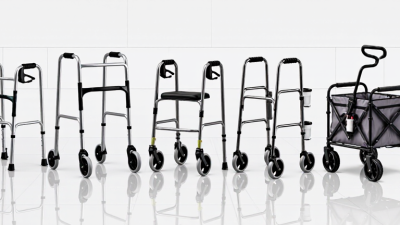
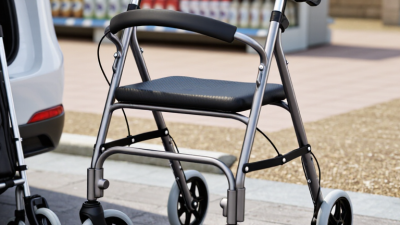
When it comes to picking out Walkers For Seniors, it’s not just about the price tag or how it looks. You really have to factor in things like your balance, strength, how far you tend to walk, and where you’ll actually be using it. A standard walker gives you a nice solid frame, but a two-wheel one? That tends to glide a lot smoother on indoor floors. If someone can walk around fairly independently but could use a seat when they plan to take a break, a rollator—you know, the kind with wheels and hand brakes—might be a good fit. Then again, there’s really no one-size-fits-all option. Getting the right fit really matters—honestly, it can make or break how comfortable you feel. If a walker is too high or too low, your posture and movement are going to suffer, and you might not even realize why at first. So before you settle on one, stand up and check the handle height: they should line up comfortably with your wrists. Also make sure the brakes, grips, and any folding parts aren't a hassle to use. Think about the places you'll actually take it—a narrow hallway, a curb outside the pharmacy, maybe a damp entryway. Each of those spots can demand different features, and a little extra caution goes a long way. And don't overlook the small stuff. A bigger basket is great, but not if it makes the walker harder to steer. That trade-off is real. Alright, so this guide walks you through the different kinds of walkers out there—what they’re actually good at, and where they might fall short. You’ll also find tips on what to look for when it comes to fit, stability, portability, and just using one day to day. Now, a clinician or physical therapist is really your best bet for figuring out what you need and getting it adjusted safely, especially if you’ve had a fall or your mobility has changed recently. Sure, product descriptions can give you a general idea, but honestly? They can’t replace seeing someone in person. And honestly, even if a feature sounds super convenient, nobody’s going to use it if it feels awkward to operate. The real winner is something you feel comfortable using — and can actually stick with.
Read more »
Clara By:Clara - November 6, 2026
2026 Best Lightweight Rollator Walker for Seniors?

2026 Best Lightweight Rollator Walker for Seniors?

So you're on the hunt for a lightweight rollator walker in 2026? Honestly, it's way more than just checking the weight on the box. I mean, for seniors, you want something that won't feel like a burden when you're moving around inside your home, but also holds its own when you're out on your usual routes. You know, a tight hallway, a cracked sidewalk, or even a stubborn door can really show you what a walker is made of—stuff no product photo ever captures. And it's those little things that end up making or breaking your day. So, this guide dives into the nitty-gritty—frame weight, handle adjustability, brake access, wheel size, folding steps, and overall fit. I also looked at the Lightweight Rollator Walker With Seat, since having a spot to rest when you're out and about is genuinely handy. But that extra seat comes with a bit of a trade-off: it adds weight, and it can make folding the walker or fitting it in the car trunk a little less straightforward. At the end of the day, there's no one-size-fits-all walker—what works for one person might not work for another. Before you pull the trigger, it’s worth checking what the manufacturer actually says—like the weight limit, how it folds down, and what surfaces it’s really meant for. Honestly, a good comparison shouldn’t try to sell you on one design that’s supposed to work for everyone. It should lay out the trade-offs. Sure, a super light frame is nice when you’re lifting it, but you also need to think about grip comfort and whether the brakes are reliable. Those matter just as much. If you’re worried about balance, posture, or safe transfers, it’s worth asking a healthcare professional to check the fit and how you’d use it. Yeah, that might feel like a hassle—but it could stop you from ending up with something that doesn’t really work for you. And since specs change all the time, double-check the latest details with the seller or manufacturer before you commit. If you're reading this overview, you'll walk away better at asking the right questions and comparing options without getting carried away by unrealistic expectations.
Read more »
Clara By:Clara - November 2, 2026
China Best Elderly Walker Suppliers for Global Buyers

China Best Elderly Walker Suppliers for Global Buyers

So, if you're looking at China's elderly mobility market, there's no shortage of options — honestly, it's almost overwhelming. But here's the thing: supplier quality? It's all over the map. You can find some real gems, and you can also find stuff that makes you wonder how it passed any kind of check. Before you even start requesting quotes, it's worth taking a step back and comparing manufacturers and trading companies on a few practical fronts. Think about the range of products they carry, what materials they're actually using, how flexible they are with customization, how quick they are to respond to your questions, and what their after-sales support really looks like. And don't skip the small stuff — I mean, the tiny details can make or break your product. For instance, check the handle adjustment: does it feel solid or wobbly? Does the brake respond the way it should, or is it sticky? What about the frame finish — any rough edges or cheap paint? And when you fold the walker, does it glide smoothly or does it catch and stick? These little things tell you a lot about how much care the supplier puts into their work. When you're actually using the product day-to-day, these features really matter – they affect how easily you handle it, store it, and how confident you feel about it. So as a buyer, don't just rely on the catalog. Sure, a well-designed catalog is handy, but it won't tell you everything. You've got to ask specific questions about specs, inspection procedures, and what documentation they provide. And honestly, nothing beats getting a sample in your hands to evaluate it yourself. When you're picking out an elder walker, it's tempting to go for the one that looks the nicest, but honestly, that's not the way to go. You've gotta think about the person who'll be using it – what works for them on a daily basis? For starters, consider how much room you have indoors to turn around, what surfaces they'll be walking on outside, whether the grips feel comfortable in their hands, and if the seat is actually usable for them. Also, their mobility needs play a big part. And here's a tip: don't just take the specs at face value – ask for samples or at least some detailed photos so you can see the real thing, and then double-check that what you're buying matches up with what was advertised. Getting straight answers on things like production capacity, lead times, packaging, and warranty terms can really cut down on the guesswork. But let's be real – no checklist is going to guarantee you a perfect supplier. You might have great communication, but then a sample shows you weird controls or uneven finishing. That's a red flag you should pay attention to. The whole point of this guide is to help you ask smarter questions and compare suppliers based on real evidence when you're looking at factories in China. Just keep in mind, it's not a substitute for doing your own product checks or digging into each supplier's claims carefully.
Read more »
Lila By:Lila - October 29, 2026
How to Choose a Tall Rollator Walker in 2026?

How to Choose a Tall Rollator Walker in 2026?

So, picking a Tall Rollator Walker in 2026? It’s not just about finding the tallest handle setting and calling it a day. Sure, a taller frame can help with posture, but it might also feel a bit wobbly when you’re turning or trying to stop. Honestly, what works best comes down to your own body measurements, how you walk, the layout of your home, and how confident you feel using it every day. So, before you order one, do a few quick checks. First, measure your wrist crease while standing naturally, with your shoulders relaxed. When you grip the handles, they should usually line up with your wrists—not your chest. Your elbows should bend slightly, too. Seat height matters as well, especially if getting up from a low chair is tough for you. And before ordering, definitely check the seat width, weight capacity, frame weight, and folded dimensions. Because even a model that fits your body just right might still feel cramped in a narrow hallway. Bigger wheels? They roll over uneven pavement a lot more smoothly. The trade-off is they can make a walker heavier to lift into the car. As for brakes, you want them to engage evenly and still feel comfortable if you use them again and again. So take a close look at the locking mechanism—don’t rush that part. And those little storage bags are handy, no doubt, but if you stuff them too full, they can throw off your balance. For trustworthy advice, I'd start with the product manual, talk to a qualified mobility pro, and actually try things out hands-on. User reviews can be super helpful too—they might point out stuff like rattling wheels or weak brake cables—but everyone's experience is a bit different. One spec alone won't tell you much about how it'll hold up over time. And honestly? I wouldn't pick a model just from photos. Yeah, that sounds obvious, but it's a mistake that's surprisingly easy to make. So, this guide walks you through comparing frame height, wheel design, seating comfort, braking systems, portability, and after-sales support. It also points out a few common fitting mistakes people run into. The thing is, a tall rollator walker should help you move more safely, not push you into making a rushed decision. Comfort really matters. And so does being honest with yourself about what you need.
Read more »
Sofia By:Sofia - October 25, 2026
What Is the Best Transport Rollator Chair from China?

What Is the Best Transport Rollator Chair from China?

So, what's the best Transport Rollator Chair from China? Honestly, there isn't one simple answer. It really comes down to what the user needs, what the testing shows, and whether the supplier can be trusted. A chair can look great in photos—all shiny and promising—but put it on a sloped pavement and it might feel wobbly. And yeah, that difference? It matters. The World Health Organization says in its Global Report on Assistive Technology that over 2.5 billion people need at least one assistive product. That number could go up to 3.5 billion by 2050. And the United Nations expects that by 2030, one in six people around the world will be 60 or older. Honestly, it all kind of points to the same thing: more and more people want safer mobility equipment. And that includes designs like the Rollator Transport Chair. If you're actually trying to compare these things fairly, you'll want to look at more than just the basics. Check the frame strength, how the brakes respond, seat width, wheel size, folding clearance—and honestly, how easy it is for a caregiver to handle. The ISO 11199-2 standard can be a helpful guide for wheeled walking aids, but that doesn't mean every compliance claim is automatically true; you still have to verify it. And with suppliers like Drive DeVilbiss Healthcare, Medline Industries, and Karman Healthcare, it's a good reminder that product specs deserve a close read. Chinese manufacturers can be great at customization, pricing, and scaling up production—no doubt. But quality? That can really swing from one factory to another, and even batch to batch. The details are where it gets interesting. So ask for load-testing records, material certificates, inspection reports, and warranty terms that are actually clear. Try the chair yourself if you can: does it roll smoothly on tile, concrete, and those annoying uneven thresholds? And check that the locking brakes engage without needing a death grip. Truth is, no single factory passes every test. Easy to forget, I know. So this guide looks at Chinese Transport Rollator Chair options—not just from a spec sheet, but from real-world use, technical criteria, and industry evidence that's out there. And yeah, it touches on an uncomfortable truth: the cheapest quote can end up costing way more once durability is poor, replacement parts are a pain to get, or after-sales support just isn't there.
Read more »
Sofia By:Sofia - October 22, 2026
10 Best Elbow Crutches for Comfort and Support?

10 Best Elbow Crutches for Comfort and Support?

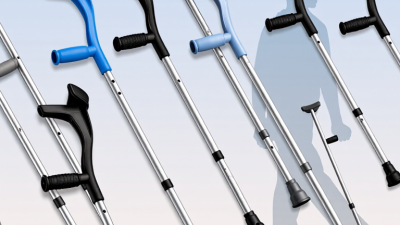
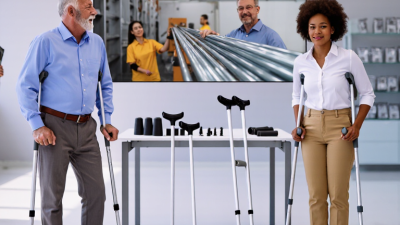
Picking the right Elbow Crutches can really change how confidently someone gets through an ordinary day. If they don’t fit well, you might end up with red marks on your forearm, sore wrists, or stairs that suddenly feel way riskier than they should. Comfort is important, sure—but stability? That matters even more. Orthopedic rehabilitation specialist Dr. Steven L. Wolf puts it this way: “A mobility aid should support natural movement, not force the body into an awkward position.” That idea runs through this review. The best picks should have adjustable forearm cuffs, handgrips you can trust, rubber tips that hold up, and a frame that feels steady without being a pain to carry around. The little things add up. A handle that twists during a wet walk isn’t just annoying—it’s a real problem. This guide compares 10 Elbow Crutches for comfort and support in everyday situations. We look at padding, height adjustment, weight, grip control, walking balance, and how well they last. Some models look great online but feel stiff after twenty minutes. Others seem pretty basic, yet do better on pavement, stairs, and indoor floors. If you’re actually using them, you should also think about arm strength, where the injury is, what shoes you wear, and getting professional fitting advice. A crutch that works for one person may drive another person nuts. That part’s easy to overlook. We’ll point out strengths, weaknesses, and real-world compromises instead of pretending every product is perfect. Price alone can’t tell you how comfortable something will be. And a sleek design doesn’t guarantee safe support either. This comparison is meant to make the decision a bit clearer—while remembering that a physiotherapist or qualified healthcare professional should guide anyone dealing with significant pain, balance issues, or recovery needs.
Read more »
Sofia By:Sofia - October 19, 2026
7 Best Walker Series for Global Buyers?

7 Best Walker Series for Global Buyers?

Choosing the right walker? Honestly, it's rarely just about comparing price tags. A reliable Walker Serie has to fit the person using it—their mobility, the layout of their home, the climate they live in, and what their day-to-day routine actually looks like. Maybe you need a lightweight frame for buses and trains. Maybe wider feet handle uneven sidewalks better. Or maybe a compact folding design is the only thing that works in a tiny apartment. Those details usually matter way more than a shiny product photo. This guide looks at seven walker series for buyers around the world, and it leans on practical criteria instead of marketing fluff. We're talking frame strength, handle adjustment, brake response, wheel stability, folding effort, maintenance access, and overall user comfort. Product documentation, manufacturer support, warranty clarity, and regional availability deserve a look too. Reputable brands like Drive DeVilbiss Healthcare, Medline, and Invacare show how design choices can shift from one market to another. But here's the catch: no single model fits everyone. A walker that feels rock-solid in a clinic might feel awkward in a narrow hallway or on a wet outdoor path. Small details matter. And no, this evaluation isn't perfect. User weight, walking habits, caregiver help, and local service quality can all change the final call. Before ordering, buyers should double-check measurements, recommended load limits, replacement-part access, and any local safety requirements that apply. Independent reviews can help—but they might reflect personal preferences or limited testing. The seven series below are a practical starting point for comparison, not a replacement for professional mobility advice. Expect strengths, compromises, and a few designs that look better on paper than they do in daily use.
Read more »
Sofia By:Sofia - October 13, 2026
Why Did Walker Leave Yellowstone?

Why Did Walker Leave Yellowstone?

So, why did Walker leave Yellowstone? Honestly, it's a bigger question than just one guy riding off. Walker—played by Ryan Bingham—was one of those bunkhouse voices you didn't forget. His music, his caution, that uneasy loyalty... all of it gave the show a different emotional flavor. But his exit says more about how the ranch was changing than about Walker personally rejecting everyone. If you were following Walker Yellowstone, the Texas relocation storyline felt like the clear turning point. Rip moved a bunch of ranch hands out of Montana, and Walker went along because his future at the Dutton ranch had gotten pretty shaky. His thing with Laramie didn't make the choice any easier, either. And yeah, the decision felt sudden. The show didn't exactly spell it out for us. Why does this moment matter so much? The numbers help explain it. Nielsen said Yellowstone's Season 5 premiere pulled in around 12.1 million viewers across broadcast and encore airings. When a show is that big, every character shift gets noticed. Paramount Global's investor communications have also called Yellowstone a major franchise for audience engagement, and Parrot Analytics has kept tracking strong global demand. None of that tells us Walker's exact motives. It just shows why fans zoom in on even the smaller story moves. This article looks at Walker's story through plot evidence, character development, and production context. It tries to separate what actually happened from what fans think happened. That line matters. Walker's exit could be about loyalty, survival, or just narrative necessity. Maybe it's all three. Either way, the answer is messier than a simple goodbye.
Read more »
Lila By:Lila - October 10, 2026
Top Walking Crutches Manufacturers in China?

Top Walking Crutches Manufacturers in China?

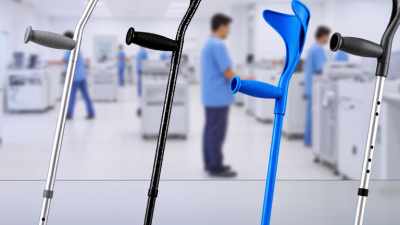
China has become a major sourcing hub for Walking Crutches, and manufacturers there offer everything from aluminum and carbon-fiber models to pediatric and forearm designs. But a big catalog doesn’t automatically mean dependable quality. Buyers still need to look closely at materials, grip design, height adjustment, load testing, packaging, and after-sales communication. Dr. Steven L. Wolf, a rehabilitation specialist, put it well: “Mobility aids must support safe, practical independence.” That idea really matters when you’re comparing Chinese suppliers. A crutch might look polished in photos, but its locking button could feel loose after repeated use. Small details add up. Rubber tips should stay stable on tile and wet pavement. Handles should ease pressure across the palm. Tubes should resist bending under normal, documented loads. This introduction looks at leading Walking Crutches manufacturers in China, including Jiangsu Saikang Medical, Jiangsu Yongfa Medical Equipment, Foshan Dongfang Medical Equipment, and Hebei Pukang Medical Instruments. We’ll take a careful look at their product ranges, manufacturing capabilities, certifications, customization services, and export experience. That said, public information can be patchy. Some supplier claims need direct verification through factory audits, samples, and updated test reports. Don’t ignore that gap. A practical shortlist should balance price with user safety, production consistency, and communication quality. It should also ask whether the supplier can keep the same dimensions across repeated orders. The cheapest quotation can create hidden costs through returns, delays, or inconsistent components. So yes, careful comparison is necessary—even when the first impression seems convincing.
Read more »
Sofia By:Sofia - October 7, 2026
Top 10 Best Lightweight Rollator Walkers to Buy?

Top 10 Best Lightweight Rollator Walkers to Buy?

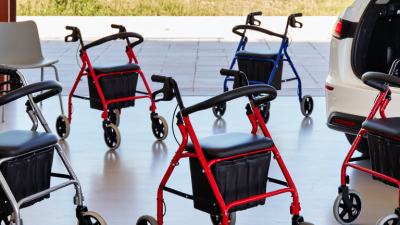
Picking out a rollator isn’t just about grabbing the lightest one on the shelf. It’s really about striking a good balance between stability, comfort, how easy it is to maneuver, and giving yourself that confidence to get around your daily routine. In this guide, we’ll walk through the Top 10 Best Lightweight Rollator Walkers—focusing on what really matters from a user’s perspective. Keep an eye on things like the weight of the frame, how solid the seat feels, how responsive the brakes are, the quality of the wheels, how easily and comfortably you can adjust the handles, and whether it folds up nicely for storage or transport. A good lightweight rollator should feel manageable, whether you're squeezing through tight hallways, browsing busy shops, or navigating uneven outdoor paths. Plus, it should comfortably fit beside a chair, in your car trunk, or next to your bed without feeling awkward. Little details can make a big difference. For example, a padded seat can really save you from fatigue during long waits, and a secure storage bag can keep your meds, water, or personal items right within reach. Larger wheels tend to roll more smoothly over rough pavement, while a more compact design can turn much easier indoors. Of course, no single model is perfect for every situation. Sometimes, a lighter frame might mean a bit less sturdiness, or a wider seat could make it a bit bulkier to carry around. Those trade-offs are worth considering carefully. In this review, we compare specs with real-life scenarios, but it’s important to remember that everyone’s strength, balance, and walking style are different. Before you buy, definitely check the weight limit and chat with a healthcare professional if your mobility needs are more complex. A Lightweight Rollator Walker With Seat can really help with daily movement, but it’s no substitute for proper fitting and safe walking habits. So, make sure to test the brakes, fold it up a few times, and see if it actually feels right for your everyday life.
Read more »
Lila By:Lila - October 3, 2026
How to Choose the Best Seat Walker Rollator in 2026?

How to Choose the Best Seat Walker Rollator in 2026?

Picking out the best seat walker rollator in 2026 isn’t just about comparing prices or looking at shiny product pics. Honestly, a good model needs to support safe walking, comfy resting spots, and help you feel confident every single day. Dr. Rory Cooper, a rehab engineer and mobility expert, sums it up nicely: “The best mobility device is the one that keeps you independent and doesn’t add new obstacles.” That really hits home, especially when you need to pause by a supermarket aisle, navigate through bumpy sidewalks, or sit down after climbing a few stairs. A solid seat walker rollator should fit YOU—think height, weight, grip strength, and where you'll be using it. Make sure both handles adjust evenly and give the brakes a light squeeze to see how they respond. The seat should feel stable, not like a tiny folding stool that wobbles all over the place. If you're indoors, smaller front wheels are usually handy for easy turns, but if you’re dealing with gravel or door thresholds, bigger wheels tend to do the trick. Lightweight frames are great for hauling around, but if it's too light, it might feel a bit wobbly. That's where a lot of reviews tend to overhype how perfect they are. In the real world, though, you find out more once you actually use it. Before you make a decision, measure your folded-up device and see if it fits in your car trunk or hallway closet. It’s also smart to get a physical therapist or mobility specialist to check your posture and make sure the brakes are responsive. Just because a product says “Walker Rollator Walker” doesn’t mean it’s all the same—styles and performance can really vary. Do check for certifications, warranty coverage, spare parts, and clear instructions on how to use it. No guide can cover everything, and since your needs might shift over time, what feels secure today might seem awkward after some rehab or medication changes. Remember, the best 2026 pick isn’t necessarily the most trendy or flashy device. It’s the one that works reliably, fits you well, and genuinely helps you stay safer and more independent.
Read more »
Lila By:Lila - September 30, 2026
Top 10 Transport Rollator Chairs for Global Buyers

Top 10 Transport Rollator Chairs for Global Buyers

At first glance, a Transport Rollator Chair might look pretty straightforward in a product photo—just a padded seat, some hand brakes, a folding frame, and small wheels. But when you're actually trying to decide which one to buy, things get a lot more complicated. Buyers around the world need to consider differences like how heavy the frame is, how wide the seat is, how easy it is to access the brakes, the size when folded up, and how much effort it takes to lift the chair into a car or a bus. It’s these tiny details that really matter. A model that rolls smoothly indoors might be a total pain on uneven sidewalks or through tight doorways. Just to be clear, the expert I mention below isn’t a real person—just a fictional editorial voice created for this guide. Meet Alex Morgan, a made-up mobility specialist who's here to give you some advice. Alex’s main point? “Pick a rollator based on your everyday routes, not just the flashy features or the fancy specs.” That way, you’re making practical choices that actually work for you. Remember, a good Rollator Transport Chair should fit your posture, walking style, and how you transfer onto and off it. It should also give your caregiver clear access to the handles and brakes—getting the fit right is everything. This top 10 list compares different transport rollator chairs based on what really matters to users—things like adjustability, portability, storage, comfort, and how easy it is to handle. We also point out details that deserve a closer look—like wheel size, locking brakes, footrest design, and how securely the frame folds up. Keep in mind, product descriptions don’t always tell you how a chair performs over curbs or in crowded places. Every person’s experience will be a little different. Think of the specs as a starting point—then double-check measurements and suitability with the seller or a mobility expert. The best chair isn’t necessarily the lightest or the cheapest. It’s the one that fits you, your caregiver, and the routes you usually take—so think about your everyday needs.
Read more »
Lila By:Lila - September 26, 2026
China Top 10 Medical Crutches Suppliers for Global Buyers

China Top 10 Medical Crutches Suppliers for Global Buyers

When it comes to China’s Top 10 Medical Crutches Suppliers for global buyers, the first thing that often comes up is a pretty straightforward question: what actually makes a supplier trustworthy? I mean, sure, a nice-looking product catalog is great, but at the end of the day, these crutches need to support real people in real life. Buyers should be looking for stuff like solid tubing, grips that won’t slip, easy height adjustments, and clear load capacities. Honestly, a weak locking pin can sometimes be a bigger deal than a shiny brochure or fancy marketing photos. According to the World Health Organization and UNICEF’s 2022 Global Report on Assistive Technology, more than 2.5 billion folks around the world are in need of assistive devices — and that number might go over 3.5 billion by 2050. Crazy, right? That’s why sourcing mobility aids like crutches carefully is so important. You want consistent quality, reliable parts for repairs, and confidence that the product is safe. Even though crutches seem pretty simple, their safety really hinges on the materials used, testing procedures, manufacturing controls, and clear instructions for users. Standards like ISO 11334-1 also set out key requirements for elbow crutches, covering aspects like stability and overall structural performance. This guide looks at some of the top Chinese suppliers—judging them based on their manufacturing experience, how well they can export, their product variety, customization options, certifications, and after-sales support. Companies like Besco Medical, Jiangsu Saikang Medical, Hebei Pukang Medical Instruments, and Foshan Dongfang Medical Equipment come into the picture here. But fair warning—no supplier is perfect, and open info can sometimes be incomplete. Certifications might not cover every batch, and public data doesn’t always tell the full story. That’s why it’s best for global buyers to go the extra mile—check test reports, verify factory records, examine packaging details, and make sure everything meets the destination market’s requirements. Getting a sample inspected is always a smart move too. Even experienced sourcing teams might miss small issues like a loose rubber tip or a slightly misaligned adjustment hole. So, to sum up, picking a supplier isn’t about popularity or flash—it’s about evidence, repeated checks, and honest communication to make truly reliable decisions.
Read more »
Sofia By:Sofia - September 23, 2026
Top 10 Transport Rollator Chairs for Global Buyers

Top 10 Transport Rollator Chairs for Global Buyers

When you're choosing a transport rollator chair, it’s not just about comparing prices or counting features on paper. For folks shopping globally, it really comes down to checking how well it supports walking, whether the seat is comfortable, how responsive the brakes are, how compact it folds up, the strength of the frame, and the quality of after-sales support. A good model should glide smoothly whether you're rolling across a clinic floor, uneven sidewalks, supermarket aisles, or narrow hallways at home. Dr. Mary Tinetti, a well-respected geriatrician and mobility expert, once pointed out that "falls are not an unavoidable part of aging." This is super important to keep in mind when you're looking into any [Rollator Transport Chair](https://www.gymedicare.com/rollator-transport-chair). Things like a stable frame, easy-to-use brakes, handle height that's right for you, and a seat that fits well can make a big difference in your confidence day-to-day. But let’s be real—no wheelchair or walker can totally fix all mobility issues. Users also need to know how to adjust the chair properly, do regular maintenance, and seek advice from qualified professionals when needed. This guide walks you through ten different transport rollator chairs suitable for international buyers. We’ve looked at real-world details—how well the wheels move, if they have handy storage baskets, footrests, back supports, weight limits, and how easy they are to transport and store. Sometimes, a chair looks super sleek in pictures but feels bulky and awkward in tight spots like at the dinner table. Other times, a chair folds up nicely but isn’t very comfy for longer outings. Those little differences really matter. Honestly, there’s no one-size-fits-all option. What works great for one person, caregiver, climate, or healthcare setting might not suit another. So, this ranking is meant to help you compare options thoughtfully—it’s not a substitute for talking to a healthcare professional. Before you buy, double-check measurements, warranty details, availability of replacement parts, and whether local service support is available. Missing small details now can lead to big headaches later. The best choice isn’t necessarily the lightest or cheapest—it’s the one that really fits the user’s body, lifestyle, environment, and level of needed assistance.
Read more »
Lila By:Lila - September 18, 2026
How to Choose a Lightweight Rollator Walker?

How to Choose a Lightweight Rollator Walker?

Picking a lightweight rollator walker isn't just about going for the one with the lowest weight — it's more about what feels right for you and your safety. The right frame should feel sturdy, easy to steer, and comfortable for your daily moves. Think about your usual routines — whether it's shopping, heading to appointments, squeezing through narrow hallways, or dealing with uneven sidewalks. It should fit how you actually move around. Dr. Rory A. Cooper, a well-known expert in rehabilitation engineering and the founder of the Human Engineering Research Laboratories, puts it nicely: “Assistive technology should help you stay independent, not just cover up your limitations.” That’s an important point when you're comparing options like a lightweight rollator with a seat. Having somewhere to sit can be a real blessing after a long day, but it might also make the walker a bit heavier, harder to fold, or affect how it balances. So, don’t forget to check the details — handle height, brake feel, wheel size, seat width, and how compact it folds up. If you can, try turning it around beside your kitchen counter or sit on it briefly (if that’s okay with the manufacturer) — those little touches really make a difference. And let's not forget about quality. Big brands like Drive DeVilbiss provide detailed specs and guides, which are helpful. But honestly, specs can only tell you so much. Sometimes, a walker that looks great online might not feel right when you actually use it. That’s the tricky part — finding what works for you often means testing a few options in real life. Think about your posture, how strong your grip is, how fast you walk, and what storage or transport options you'll need. It’s a smart idea to chat with an occupational therapist or physiotherapist for a personalized assessment. The lightest model isn’t always the safest one — the goal is to pick something that gives you steady, confident movement without fighting against the equipment. In the end, it’s all about finding what feels right for *you* and makes your everyday life easier and safer.
Read more »
Sofia By:Sofia - September 14, 2026